

Video Blogging the Right Way

Video blogging or vlogging is becoming more and more popular each day. With the rise of video on the Internet, people are embracing the concept of video blogging. They’re being bold enough to showcase their real personality through videos while sharing quality information.

The reason why video blogging works so well is because one, people like watching videos. It’s easy to ‘learn and watch’. And secondly, it allows you to generate targeted traffic that actually converts. So how do you really go about finding success with video blogging? Here are a few useful tips that you can use right away to make the most out of it …

Tip #1: Be Anything but Boring

Let’s face it – there is a ton of video content out there which is not only boring, but also useless. If you want to be a successful vlogger then understand what your viewers want. Give the the right kind of information without having them lose interest.

Make your videos entertaining and fun. Add a bit of humor to them. Bring out the engaging side of your personality. Your viewers will love you for who you are. As long as you’re not afraid to be yourself.

Tip #2: Make Your Audience Feel at Home

One of the plus points of video blogging is that it allows you to instantly connect with your viewers. It gives you the opportunity to interact with them in a lively manner. Don’t let this chance slip by.

With each video, ask questions to your readers, answer their existing questions, talk in a friendly manner, narrate a personal story of yours, ask them to leave feedback etc. The idea is to make your viewers feel at home. They should want to come back to your video blog again and again. Let them know that you are someone they can easily connect with.

Tip #3: Keep it Fresh and Current

The information that you’re giving to your viewers with your videos on your blog has to be fresh and happening. Since you are creating videos, you have to stay away from things that are outdated.

A good way to do this is to try to include content that will be evergreen. Something that applies now and even the future. When you work on keeping your blog real and current, your viewers will feel respected. It will give them a reason to come back for more. It’ll make your vlog sticky.

Tip #4: Learn from Other Successful Video Blogs

There are many vlogs that have thousands of regular viewers. Go out there and watch these video blogs. Research them and try to analyze how they’re doing things. Get an idea on their style and the kind of content they’re serving.

It might take a while before you actually build a loyal audience for your video blog, but nevertheless, it’s something that’s really worth it. Just remember, a video blog is ultimately a blog – it needs regular attention from you and new content to stay alive. Keep feeding it, and it’ll keep growing.

Do you have any ideas to share on video blogging? If yes, then please comment below and let us know!

How to Get More Traffic from YouTube

There’s absolutely no denying that YouTube has the biggest social community that engages in watching online video. Millions upon millions of active users contribute content to the site – uploading approximately one hour of video each second.

This just goes on to show that YouTube is a site that you should leverage to get traffic to your own site. The audience on YouTube can prove to be highly engaged and very responsive – if you give them the right content.

Now, let’s just say that you are able to get their attention and your videos are being watched. How do you convert these viewers into visitors to your website? How do you tempt them to pay a visit to your site and learn more about your offer?

Here are 5 tips to help you get more traffic coming in from YouTube – targeted and highly relevant:

1) Don’t Wait to Introduce Your Website – The reason why you created and uploaded your video to YouTube is to attract targeted visitors back to your site. So why delay in introducing your site to your viewers? Make sure you have your website listed right in the beginning of the video. It’s more like having a ‘branded intro’ so that your viewers know about your site.

2) Mention Your Brand Name – YouTube is a great place to upload videos to educate your viewers and presell your product. People like learning stuff – as long as you’re not selling them. If you are creating such video content then try to weave in your brand name into the script. Make it appear natural and non-hyped.

3) Leverage Annotations – If you want to get real, valuable traffic from YouTube, you need to think long term. This allows you to try out tactics that most tend to ignore – such as pushing your viewers to your other videos on YouTube. This can be done by including annotations in your videos which can be linked to other relevant YouTube videos. This helps you build a relationship with your viewers and gives them a reason to subscribe to your channel.

4) Create a Compelling Description – Every video that you upload to YouTube should have a compelling description that clearly explains what the video is about. This helps your target audience find your video on the web and lets you insert a link to your website or blog. See to it that your site’s link is mentioned right in the first sentence of the description. Apart from this, you should also have a convincing description for your YouTube channel so that people actually feel compelled to subscribe to it.

5) Have a Clear Ending – The way your video ends should leave an impact on the viewer. You need to have clear ending with a proper call to action, where you ask your viewers to visit to your site. Also, don’t end your video right away – give your viewers the time to read and note down your site’s URL.

What do you do to get more YouTube traffic to your site? Go ahead and comment below – we’d love to hear from you!

3 Tips to Leverage Pinterest for Marketing

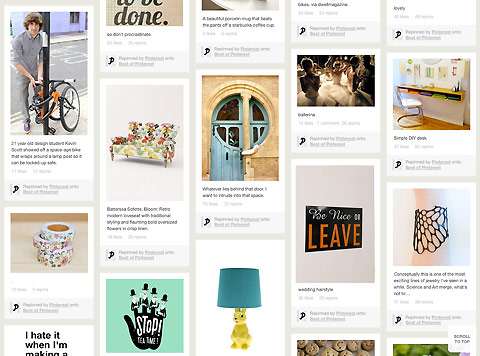
The Pinterest craze is spreading across the web like wildfire, and there’s no stopping to it. The site is on its way to social media domination. However, online marketers are still trying hard to figure out how Pinterest can be used to get the word out about their product, get some targeted leads or just some relevant exposure.

Integrating Pinterest into your marketing mix shouldn’t be hard, as long as you know what you want to achieve from it. The following article delves into 3 unique tips to help you get the most out of Pinterest in terms of marketing that gives results:

1) Have a Plan Up Your Sleeves

There’s not much that can happen without a plan, and the same goes for your pinning activity on Pinterest. You need to know where you’re going and what you seek to achieve from Pinterest and how it can help you with your online business goals. Determine if you’re pinning for:

  • Getting targeted traffic to your website or blog
  • Building brand awareness and taking your web business to the next level
  • Creating a community of interested people that you can market to later on
  • Striking new relationships that will help you connect with your target audience
  • Pre-selling your product and educating people about your market

There are so many different goals that you can work on when using Pinterest for marketing purposes. However, it’s important that you achieve real clarity first. Each of your well planned goal helps you:

  1. Use Pinterest to get the maximum leverage out of it
  2. Create boards that will attract the right people
  3. Curate pins that will actually be re-pinned, giving you the viral advantage of the social network

You need to be laser focused on your objectives, but at the same time be flexible so that you don’t miss out on any opportunities. Also, see to it that you’ve got rules and regulations that you follow to ensure that your team and collaborators understand what to do.

2) Find Your Target Audience

Researching Pinterest and doing your homework is crucial if you want to launch successful marketing campaigns on the social site. You want to make sure that the type of consumers you are targeting are actually an active part of the Pinterest community.

Even though Pinterest is 98 percent women, understand that not every women on the social network is pinning consistently. Also, this doesn’t mean that Pinterest cannot be used to target men.

The idea is to look beyond your target audience and find influencers who can help you spread your message widely on the network.

3) Know What You Want to Communicate

Using Pinterest for marketing is all about understanding your audience and knowing what and how to determine the right message. You should have a clear picture of what you want to communicate to them.

Now, Pinterest is not just a social site with a bunch of images, it’s much more than that. Knowing this, it’s important that you clearly lay down your strategy on making your picture worth a thousand words. Each and every image that you pin and repin sends a strong message, making a formidable impact on your audience.

While you can always add your own perspective to the images you share, you should also see to it that you are carefully choosing the right ones to pin/repin. The message that you send out should be consistent.

How are you using Pinterest for your marketing? Are there any specific tips or ideas that you would like to share with us? Please do comment below!

7 Ways Pinterest Can Help Boost Your Search Engine Rankings

Pinterest is the new kid on the social media block. Its become one of the fastest growing social media sites on the Internet.

One reason why Pinterest is working out so well is because of its unique approach to content curation. People share interesting pictures on the site by ‘pinning’ them to their ‘boards’.

If you’re on Pinterest, you should be doing everything you can to leverage it for traffic. Internet marketers have already started to use the social network to drive targeted visitors back to their web properties – so why not you?

By simply optimizing your Pinterest profile for the  search engines you can magnify the response you get from the site. Given below are 7 smart tips to help you propel your Pinterest presence to a whole new level.

1) Optimize Your Profile Description – The description area is where you tell others about you and your business. It’s also where you get to add the keywords that you’re targeting. So make sure you fill the description area with rich content that clearly tells other members about you.

2) Use Hash Tags – If you want to get a high number of likes and shares on the site, make sure you’re using hash tags to add keywords to the description of your pins. Just like Twitter, Pinterest users also use #tags frequently, and that’s something you can take advantage of.

3) Add the “Pin It” Button to Your Website – Pinterest is no different from other popular social networking sites when it comes to making your content go viral. By adding the “pin it” button to your blog, along with the Facebook “like” button and Twitter’s “tweet” button, you will make it easy for other people to share your stuff on Pinterest. This automatically helps you get a link back to your site.

4) Use @ Tags – Since Pinterest is a social site, you need to connect with other users to build relationships and get your pins popular. A good way to do this is to add the other pinners using @ tags. This improves your chances of getting a re-pin and helps you strengthen your identity on the site.

5) Connect Your Social Media Profiles – Pinterest lets you add your Facebook/Twitter profiles in the “Edit Profile” section. When you do so, you let Google know  your overall social presence. It also adds more credibility to your profile.

6) Go for Creative Visual Content – The kind of content that you share on Pinterest really makes a difference. Be bold, be creative, be amazing – that’s how you get noticed and get more shares. For example, if your website sells software tool for stock traders, create a beautiful infographic explaining its benefits. Think out of the box.

7) Take Care of the Basics – If you want to get the most out of Pinterest in terms of SEO, you should work on building a strong foundation first. Taking care of simple things like attaching your URL to the pin and linking your pins to relevant pages of your website can help in the long run.

How are you using Pinterest? And what are you doing to make your Pinterest activity SEO friendly? Do share your experience in the comments below!